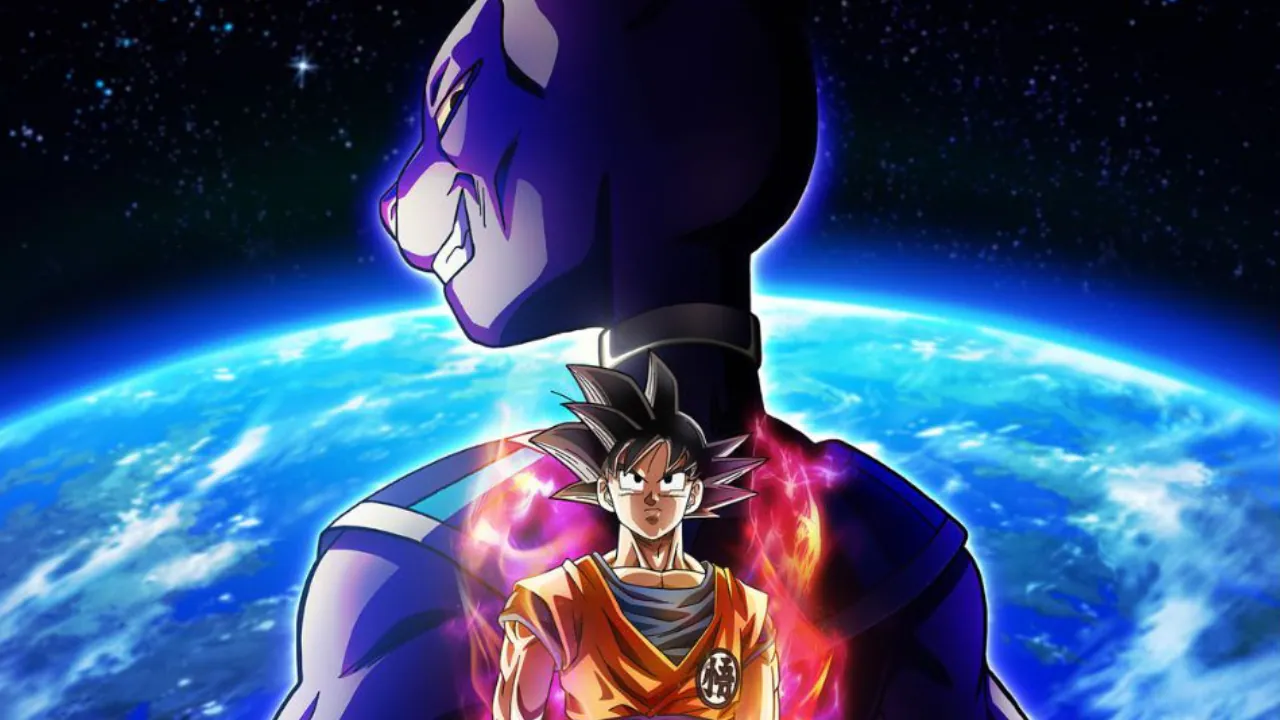
The Dragon Ball franchise is no stranger to reinvention, but what Toei Animation announced at the Dragon Ball Genkidamatsuri event celebrating the franchise’s 40th anniversary might be one of the boldest moves yet. Dragon Ball Super: Beerus, an extensively enhanced remake of the original Dragon Ball Super series’ first arc, is set to premiere in Fall 2026. This isn’t just a simple remaster—it’s a complete visual and audio overhaul that promises to deliver the story Akira Toriyama originally envisioned, with cutting-edge animation technology and a fully reconstructed narrative.
For longtime Dragon Ball fans, this announcement carries significant weight. The original Dragon Ball Super series, which premiered in 2015, was met with mixed reactions despite the excitement surrounding the franchise’s return to television after nearly two decades. While fans were thrilled to see Goku and the Z-fighters back in action, the series faced substantial criticism for inconsistent animation quality, particularly in its early episodes. The infamous Episode 5 battle between Goku and Beerus became a lightning rod for criticism, with fans expressing disappointment over what they perceived as subpar production values for such a major franchise.
A Second Chance at First Impressions
Dragon Ball Super: Beerus represents Toei Animation’s opportunity to right those wrongs. According to the official announcement made during the Dragon Ball Genkidamatsuri event at Makuhari Messe in Japan, this enhanced edition has been in development for several years. Executive Producer Akio Iyoku emphasized that this project goes far beyond a standard remaster, featuring extensive newly added animation cuts, revisions to existing scenes, complete re-rendering of all footage, newly recorded voice acting, additional musical score and sound effects, and a full reconstruction of the story.
What makes this announcement particularly intriguing is Iyoku’s statement that the enhanced edition will provide “a more faithful and detailed reproduction of the original work by Akira Toriyama.” This suggests that the original Dragon Ball Super anime may have deviated significantly from Toriyama’s vision—something that fans have long suspected. During the Genkidamatsuri livestream, Iyoku confirmed that the remake will align more closely with Toriyama’s original drafts, addressing changes made by Toei that Toriyama reportedly wasn’t satisfied with.
The Legacy of Battle of Gods
The Beerus arc, which originally adapted the 2013 theatrical film Dragon Ball Z: Battle of Gods, holds a special place in Dragon Ball history. It marked the franchise’s return after a 17-year hiatus from theatrical releases and introduced concepts that would reshape the entire Dragon Ball universe—the God of Destruction Beerus, Super Saiyan God transformation, and the broader multiverse cosmology that would define Dragon Ball Super’s narrative direction.
Beerus himself was a character Akira Toriyama designed from scratch for Battle of Gods, famously modeling the Egyptian-inspired deity after his own pet cat. In interviews following the film’s release, Toriyama explained that he wanted to move away from humanoid villains and create something different. The character’s unique blend of terrifying power and comedic gluttony became instantly iconic, establishing a new template for Dragon Ball antagonists who could be both threatening and entertaining.
However, when the Beerus arc was adapted into the Dragon Ball Super television series in 2015, the transition wasn’t smooth. The anime expanded the film’s roughly two-hour runtime into a 14-episode arc, and the results were uneven. Production schedules were notoriously tight, with some episodes reportedly completed just days before broadcast. This rushed timeline resulted in animation quality that fluctuated wildly between episodes, with some sequences falling far below the standards fans expected from such a prestigious franchise.
Learning From Past Mistakes
The decision to remake Dragon Ball Super: Beerus reflects broader changes in how Toei Animation approaches its flagship properties. The studio has recently implemented similar strategies with other series, most notably announcing a complete reboot of World Trigger as part of its Vision 2030 plan to expand global presence. Additionally, Toei made headlines by shifting One Piece to a seasonal release schedule in 2025, moving away from the weekly episode format that had defined the series for decades.
These strategic shifts acknowledge a fundamental truth about modern anime production: quality often suffers when studios prioritize speed over craftsmanship. The original Dragon Ball Super’s production woes weren’t unique to that series—they reflected systemic issues within the anime industry, where tight schedules, limited budgets, and overworked staff frequently result in compromised final products. By giving Dragon Ball Super: Beerus the time and resources it needs, Toei is signaling a commitment to delivering a product that meets contemporary animation standards.
What Enhanced Really Means
The “enhanced” label that Toei has applied to this project encompasses several key improvements. First and foremost, the battle sequences—which are the heart of any Dragon Ball story—will receive particular attention. The announcement specifically highlights that these scenes will be “even more immersive” with “cutting-edge visual expression.” Given the advancements in digital animation technology since 2015, this could mean fluid action choreography, dynamic camera work, and visual effects that were simply not feasible a decade ago.
The complete re-recording of voice acting is another significant element. While Masako Nozawa will return as Goku and Koichi Yamadera will reprise his role as Beerus, the new recording sessions allow for improved audio quality and potentially different performances that better match the enhanced visuals. The overhauled musical score and sound design will also contribute to a more cinematic experience, potentially drawing inspiration from the theatrical presentation of Battle of Gods rather than the television anime’s more limited audio production.
Honoring Toriyama’s Vision
Perhaps the most emotionally resonant aspect of Dragon Ball Super: Beerus is its connection to Akira Toriyama, who passed away on March 1, 2024. The project was reportedly initiated several years ago, meaning Toriyama was involved in its early development. The emphasis on creating a “more faithful representation of the original manga” and adhering more closely to Toriyama’s original drafts takes on added significance in light of his passing.
This remake offers fans an opportunity to experience the story as Toriyama truly intended it, without the compromises and deviations that characterized the 2015 adaptation. It’s a fitting tribute to the creator’s legacy and a chance to ensure that his vision is properly preserved for future generations of Dragon Ball fans.
Looking Ahead
Dragon Ball Super: Beerus is scheduled to premiere in Fall 2026 on Fuji TV, and it’s likely just the beginning of a larger strategy. If this enhanced edition proves successful, Toei could apply the same treatment to subsequent Dragon Ball Super arcs, including the Resurrection ‘F’ saga, the Universe 6 Tournament, the Goku Black arc, and the Tournament of Power. This would effectively create a definitive version of Dragon Ball Super that addresses all the criticisms leveled at the original series.
The timing also positions Dragon Ball Super: Beerus as a bridge to the newly announced Dragon Ball Super: The Galactic Patrol anime series, which will adapt the Moro arc from the manga. By reintroducing audiences to the Dragon Ball Super universe with a polished, high-quality product, Toei can build momentum and goodwill heading into entirely new story content.
For fans who lived through the disappointment of the original Dragon Ball Super’s early episodes, this remake represents vindication. It acknowledges that those criticisms were valid and demonstrates Toei’s commitment to doing right by the franchise and its passionate global fanbase. Whether you’re a longtime Dragon Ball devotee or someone who was turned off by the original series’ production issues, Dragon Ball Super: Beerus promises to be essential viewing when it arrives in Fall 2026.
As the Dragon Ball franchise celebrates its 40th anniversary, this enhanced remake reminds us why the series has endured for four decades. It’s not just about nostalgia or brand recognition—it’s about storytelling, character, and the relentless pursuit of becoming stronger, better, and more powerful. In that sense, Dragon Ball Super: Beerus embodies the very spirit of the franchise it represents: always striving to surpass your previous limits and reach new heights.