In a historic moment for one of anime’s most enduring institutions, Sazae-san, Japan’s longest-running and most-watched animated series, is making its first-ever appearance on overseas television. According to Anime News Network, the beloved family comedy will begin airing on Taiwan’s MOMOTV cable television service starting Monday, January 27, 2026, at 7:00 p.m. from Monday to Friday. This milestone marks an extraordinary moment for a series that has been a Sunday evening fixture in Japanese households for over 55 years.
A Guinness World Record Holder Crosses Borders
For anime fans outside Japan, the announcement might seem surprising—how could such a legendary series have never aired on international television? The answer lies in Sazae-san‘s unique position in Japanese culture. Based on Machiko Hasegawa’s beloved manga that first appeared in 1946, the anime adaptation premiered on Fuji Television in October 1969 and has been broadcasting continuously ever since. The series holds the Guinness World Record for the longest-running animated television series, a distinction it first received in 2013 for 45 years of broadcasting, which was subsequently extended in 2019 and again in 2024 to recognize its remarkable 55-year run.
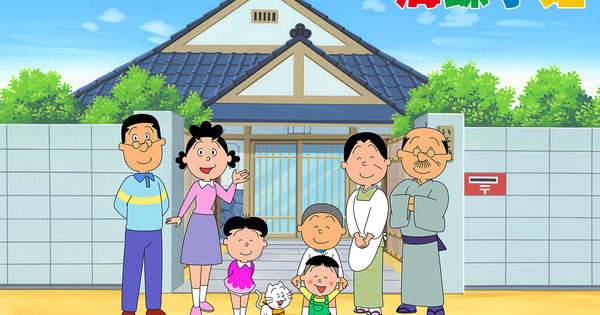
Unlike action-packed shonen series or fantastical adventures that have found international success, Sazae-san is deeply rooted in the everyday rhythms of Japanese family life. The series follows Sazae Fuguta, a cheerful 24-year-old woman living with her parents, younger siblings, husband, and young son in a multigenerational household in Setagaya, Tokyo. Each episode presents gentle, slice-of-life stories that capture the warmth, humor, and occasional chaos of family dynamics—a formula that has resonated with Japanese audiences for generations but has remained largely unknown to international viewers.
Why Taiwan? The Growing Demand for Family-Friendly Anime
The decision to launch Sazae-san in Taiwan is no accident. Anime licensing and distribution company Muse Communication Co., Ltd., which is handling the series’ distribution in Taiwan, cited strong demand from Taiwanese television stations for programming that families can watch together with peace of mind. The company noted that family-oriented series such as Crayon Shin-chan and ATASHIn’CHI have enjoyed tremendous success with Taiwanese audiences for years, creating a receptive environment for Sazae-san‘s particular brand of wholesome entertainment.
Muse Communication, established in 1992, has become one of Asia’s premier anime distributors, managing intellectual properties and distributing works from more than 60 rights holders across 40 territories. The company has successfully brought blockbuster titles like Demon Slayer, Spy x Family, and Attack on Titan to Asian markets, but also maintains a strong portfolio of family-friendly content. Their expertise in understanding regional preferences and building audiences for Japanese animation makes them an ideal partner for introducing Sazae-san to new viewers.
The Cultural Phenomenon of Sazae-san
To understand the significance of this international expansion, it’s essential to grasp just how culturally significant Sazae-san is in Japan. The series consistently ranks as the highest-rated animated program in Japan each week, often drawing viewership numbers that would make modern streaming hits envious. Its Sunday evening 6:30 p.m. timeslot on Fuji TV has remained unchanged since 1969, becoming such an ingrained part of Japanese life that it spawned the term “Sazae-san Syndrome”—the melancholy feeling that washes over viewers as the weekend ends and another work week looms.
The show’s longevity is matched by its voice cast’s dedication. Midori Katō, who has voiced the titular character Sazae since the series’ inception, holds her own Guinness World Record for the longest career as a voice actor portraying the same character in an animated television series. At 85 years old, Katō continues to bring life to the eternally 24-year-old Sazae, a testament to the series’ commitment to consistency and tradition. Upon receiving her latest record extension in 2024, Katō expressed hope that “even your grandchildren will continue to watch,” highlighting the multigenerational appeal that defines Sazae-san.
A Timeless Approach to Storytelling
What sets Sazae-san apart from many long-running series is its deliberate avoidance of change or evolution. While contemporary anime often relies on complex story arcs, character development, and escalating stakes, Sazae-san embraces a timeless quality. The characters never age, the setting remains a nostalgic vision of traditional Japanese family life, and each episode presents self-contained stories that could theoretically air in any order. This approach has allowed the series to produce over 8,000 episodes without losing its essential character or alienating viewers.
The manga by Machiko Hasegawa, one of Japan’s pioneering female manga artists, originally ran in various newspapers from 1946 to 1974, accumulating over 6,477 comic strips across 68 volumes. As of 1999, the manga had sold over 86 million copies, making it one of the best-selling manga series of all time. Hasegawa’s creation captured the spirit of post-World War II Japan, offering gentle humor and relatable family situations during a period of significant social transformation. While the original manga reflected its era, the anime has maintained that same gentle, nostalgic tone even as Japanese society has continued to evolve around it.
The Challenge of International Appeal
The question facing Sazae-san‘s international debut is whether its distinctly Japanese sensibility will resonate with Taiwanese audiences. Unlike action-oriented anime that transcends cultural boundaries through universal themes of heroism and adventure, Sazae-san derives its charm from the specific rhythms and customs of Japanese family life. References to seasonal traditions, social etiquette, and family dynamics may require cultural translation for international viewers to fully appreciate.
However, the success of other family-oriented anime in Taiwan suggests promising prospects. Crayon Shin-chan, which also centers on Japanese family life albeit with a more irreverent tone, has built a substantial following in Taiwan and throughout Asia. Similarly, ATASHIn’CHI, another slice-of-life family comedy, has found audiences beyond Japan. These precedents indicate that Taiwanese viewers have an appetite for anime that explores family relationships with warmth and humor, even when the cultural context differs from their own.
A New Chapter for a Legendary Series
The Taiwan launch represents more than just a distribution deal—it’s a significant shift in strategy for a series that has been content to dominate its home market for over half a century. While Sazae-san has occasionally been available through streaming platforms in limited capacities, a dedicated television broadcast represents a much more substantial commitment to building an international audience. The weeknight 7:00 p.m. timeslot on MOMOTV mirrors the family viewing hour that has served the series so well in Japan, positioning it as appointment television for Taiwanese households.
For anime historians and industry observers, this development raises intriguing questions about the future of classic anime properties. While the global anime market has exploded in recent years, driven largely by streaming platforms and contemporary action series, there remains a vast library of beloved Japanese animation that has never received proper international distribution. If Sazae-san succeeds in Taiwan, it could pave the way for other long-running, family-oriented series to find new audiences abroad.
The Broader Context of Anime’s Global Expansion
The timing of Sazae-san‘s international launch coincides with unprecedented global interest in anime. According to industry data, European buyers made 2,755 Japanese anime titles available in 2023—a 42% increase over 2019. Global anime revenues surpassed $22 billion in 2023, with streaming platforms like Crunchyroll, Netflix, and Disney+ investing heavily in anime content and expanding their catalogs to reach diverse audiences across ages and demographics.
However, this boom has primarily benefited action-oriented shonen series, isekai adventures, and visually spectacular productions that appeal to teenage and young adult audiences. Family-friendly slice-of-life anime, while popular in Japan, has received comparatively less attention from international distributors. Sazae-san‘s Taiwan debut could signal a growing recognition that anime’s international audience is diversifying, with families seeking wholesome content that can be enjoyed together.
What This Means for Anime Fans
For anime enthusiasts, particularly those interested in anime history and cultural significance, the opportunity to experience Sazae-san represents a rare chance to engage with a series that has been foundational to Japanese animation yet remained largely inaccessible internationally. While the series may lack the dramatic intensity or visual spectacle of contemporary hits, it offers something increasingly rare in modern media: consistency, gentleness, and an unwavering focus on the small joys and challenges of everyday family life.
The series’ 55-year track record also provides a fascinating window into how Japanese animation has evolved—or in Sazae-san‘s case, deliberately chosen not to evolve. While animation techniques, storytelling approaches, and audience expectations have transformed dramatically since 1969, Sazae-san has maintained its core identity, serving as a living time capsule of a particular approach to animated storytelling that prioritizes comfort and familiarity over innovation and surprise.
Looking Ahead
As Sazae-san begins its Taiwanese television run, the anime industry will be watching closely to see how international audiences respond to this very different kind of anime export. Success in Taiwan could lead to expansion into other Asian markets and potentially beyond, introducing new generations of viewers to a series that has been a constant presence in Japanese homes for over five decades. For Muse Communication, the distribution represents both a calculated business decision based on proven demand for family anime and a cultural exchange that could deepen understanding between Japanese and Taiwanese audiences.
Whether Sazae-san can replicate even a fraction of its Japanese success abroad remains to be seen, but the mere fact of its international television debut marks a historic moment. After 55 years of being Japan’s best-kept anime secret, Sazae-san is finally ready to introduce itself to the world—one family at a time.