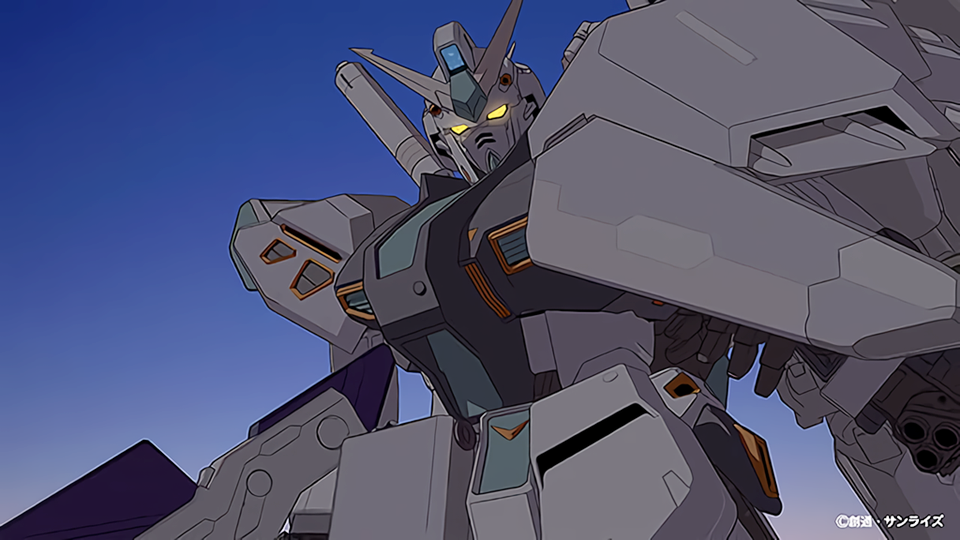
In a stunning announcement that has sent shockwaves through both the anime and music communities, the second installment of the Mobile Suit Gundam Hathaway film trilogy has chosen one of rock music’s most iconic anthems as its ending theme. According to Anime News Network, Mobile Suit Gundam Hathaway: The Sorcery of Nymph Circe features Guns N’ Roses’ legendary 1988 track “Sweet Child o’ Mine” as its closing song, marking an unprecedented crossover between classic Western rock and Japanese anime cinema. The film opened in 365 theaters across Japan on January 30, 2026, bringing with it not only intense mecha action but also a surprising musical partnership that bridges two distinct cultural spheres.
A Bold Musical Choice for Gundam’s Return
The decision to feature “Sweet Child o’ Mine” represents a significant departure from traditional anime music conventions. While Japanese productions have occasionally incorporated Western music into their soundtracks, selecting such an iconic rock anthem for a major Gundam film demonstrates remarkable creative ambition. The song, which topped charts worldwide upon its original release and has remained a cultural touchstone for over three decades, brings with it an emotional weight and universal recognition that transcends language barriers.
This musical choice arrives alongside another Western collaboration announced earlier this month: R&B superstar SZA’s “Snooze” serves as the film’s opening theme. Together, these selections position The Sorcery of Nymph Circe as perhaps the most musically ambitious entry in the Gundam franchise’s storied history, creating a sonic bridge between Japanese animation excellence and globally recognized musical artistry.
The Hathaway Saga Continues
The second film in the trilogy continues the complex narrative of Hathaway Noa, son of legendary ship captain Bright Noa, as he navigates the treacherous waters between his terrorist activities as leader of MAFTY and his complicated feelings for the enigmatic Gigi Andalucia. Set in the Universal Century timeline year 0105—twelve years after the events of Char’s Counterattack—the story explores themes of resistance, identity, and the personal costs of revolutionary action against the corrupt Earth Federation government.
As Bandai Namco Filmworks describes the plot, Hathaway struggles between his unresolved feelings for Gigi and his mission aligned with MAFTY, while Federation Forces Captain Kenneth Sleg prepares for the suppression of the terrorist organization. Gigi herself emerges as a pivotal figure whose presence will alter the course of both men’s destinies in what promises to be an intense space opera filled with drama, combat, and emotional complexity.
Building on Unprecedented Success
The decision to incorporate such high-profile Western music into the sequel comes on the heels of the first Hathaway film’s remarkable commercial performance. Released in June 2021, the original film became a watershed moment for the Gundam franchise, earning over 2.2 billion yen (approximately $19.5 million) at the Japanese box office and selling more than 1.08 million tickets. Most significantly, it became the first Gundam theatrical release since 1988’s Char’s Counterattack to surpass the 1 billion yen milestone—a 33-year drought that underscored just how exceptional the film’s performance truly was.
In its opening weekend alone, the first Hathaway film sold 259,074 tickets for 523,943,800 yen (about $4.77 million), demonstrating an immediate audience appetite for this particular story. The film’s success validated director Shukou Murase’s vision and established a strong foundation for the trilogy’s continuation. This commercial triumph gave the production team the confidence to take creative risks with the sequel, including the bold musical selections that now define The Sorcery of Nymph Circe.
Western Music in Anime: A Growing Trend
While the use of “Sweet Child o’ Mine” may seem surprising to casual observers, the integration of Western music into anime productions has precedent, though rarely at this scale or prominence. Previous notable examples include Radiohead’s “Paranoid Android” as the ending theme for Ergo Proxy, Franz Ferdinand’s “This Fffire” in Cyberpunk: Edgerunners, and various Western songs featured in the JoJo’s Bizarre Adventure series, which has famously used tracks by Yes, The Bangles, and Savage Garden.
However, these crossovers typically involve alternative or contemporary artists rather than classic rock legends. The choice of Guns N’ Roses—a band synonymous with 1980s rock excess and American cultural identity—for a Japanese science fiction anime represents something different: a deliberate attempt to create a global cultural conversation. “Sweet Child o’ Mine,” with its instantly recognizable opening guitar riff and emotionally charged lyrics about love and longing, brings thematic resonance to Hathaway’s own complicated romantic entanglements.
The Road to Release: Delays and Anticipation
The journey to The Sorcery of Nymph Circe‘s release has not been without challenges. The film was originally planned for a 2025 theatrical debut but was delayed to January 30, 2026. This postponement, while disappointing to eager fans, allowed the production team additional time to refine the film’s stunning visuals and complex narrative. Director Shukou Murase, returning from the first film, has reportedly been using flight simulators to capture the Australian landscapes that feature prominently in this installment—a testament to the meticulous attention to detail that has become a hallmark of the Hathaway trilogy.
The film’s producer, Naohiro Ogata, had previously indicated during the first film’s 4K UHD Blu-ray Disc release event in December 2021 that the second installment might not arrive before 2024, setting expectations for a longer wait. The final January 2026 release date represents a balance between production quality demands and audience anticipation.
Global Reach and North American Prospects
Following the Japanese theatrical release, North American screenings are planned, though specific dates have yet to be confirmed. The first Hathaway film eventually became available on Netflix internationally, introducing the story to a global audience and contributing to the growing Western appreciation for Gundam content. The sequel’s incorporation of internationally recognized musical artists like Guns N’ Roses and SZA suggests a deliberate strategy to enhance the film’s appeal beyond traditional anime audiences.
This approach aligns with broader industry trends toward creating anime content with built-in international appeal. By featuring music that resonates across cultural boundaries, The Sorcery of Nymph Circe positions itself not merely as a Japanese animation for export, but as a genuinely global entertainment product that speaks multiple cultural languages simultaneously.
The Trilogy’s Future
As the middle chapter of a planned trilogy, The Sorcery of Nymph Circe faces the classic challenge of maintaining narrative momentum while setting up the conclusion. The film adapts the second volume of Yoshiyuki Tomino’s Mobile Suit Gundam: Hathaway’s Flash novel series, which provides a complete narrative roadmap for the trilogy. The original working title for this installment was “Sun of Bright”—a reference to Hathaway’s relationship with his father—before the creative team settled on the more enigmatic Sorcery of Nymph Circe, which emphasizes Gigi’s mysterious role in the story.
The success of this second film will largely determine the timeline and approach for the trilogy’s conclusion. If The Sorcery of Nymph Circe matches or exceeds the first film’s box office performance, it will validate the creative team’s bold choices and likely ensure a strong finish to Hathaway’s story. The musical gambit with Guns N’ Roses and SZA represents a calculated risk that could either elevate the franchise to new commercial heights or prove a curious footnote in Gundam history.
Why This Collaboration Matters
The pairing of “Sweet Child o’ Mine” with a Gundam film transcends mere novelty. The song’s themes of nostalgia, innocence, and emotional vulnerability align surprisingly well with Hathaway’s character arc—a young man haunted by past trauma, struggling with the weight of his father’s legacy, and caught between duty and desire. The guitar work by Slash, considered one of rock’s most iconic solos, brings an emotional crescendo that mirrors the film’s own dramatic intensity.
Moreover, this collaboration demonstrates the increasingly porous boundaries between Japanese and Western popular culture. As anime continues its global expansion and Western audiences become more sophisticated in their appreciation of Japanese animation, these kinds of crossovers feel less like cultural appropriation and more like genuine artistic dialogue. Guns N’ Roses lending their signature song to a Gundam film represents mutual respect between two entertainment traditions that have both shaped global pop culture in profound ways.
As Mobile Suit Gundam Hathaway: The Sorcery of Nymph Circe begins its theatrical run, it carries with it the weight of franchise expectations, the legacy of its successful predecessor, and now the added intrigue of its unprecedented musical choices. Whether audiences will embrace “Sweet Child o’ Mine” as Hathaway’s theme remains to be seen, but one thing is certain: the Gundam franchise continues to evolve, taking creative risks that honor its past while reaching boldly toward its future. For fans waiting to see how Hathaway’s story unfolds, the combination of stunning mecha animation and classic rock promises an experience unlike any other in the franchise’s 45-year history.