In an exciting development for manga fans, acclaimed artist Boichi, best known for his stunning artwork on the hit series Dr. Stone, is set to draw a brand new manga for the classic boxing series Rokudenashi Blues. According to Anime News Network, this side-story manga will explore an untold battle that was never depicted in the original run of the beloved series.
A Legendary Collaboration Between Two Manga Powerhouses
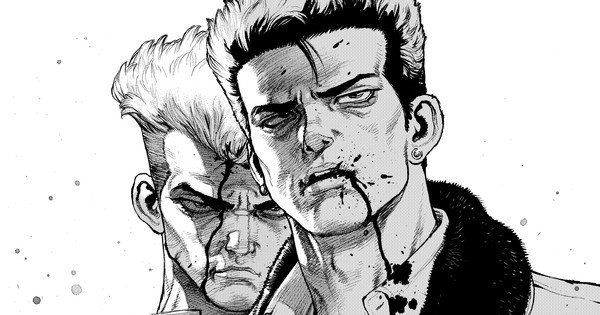
The announcement, which broke on January 30, 2026, reveals that Boichi will be teaming up with original Rokudenashi Blues creator Masanori Morita for a new project titled Rokudenashi Blues Gaiden: Onikazura. Morita, who is credited for the original work, stated on X (formerly Twitter) that this manga is set in the first half of the 1990s and is not a sequel but rather “a story about ‘the fight between those two people’ that took place during the manga but was never depicted.”
This collaboration marks an intriguing convergence of artistic styles and storytelling traditions. Boichi, the South Korean-born manga artist whose real name is Mu-jik Park, has built a reputation for his incredibly detailed artwork and dynamic action sequences throughout his career. From his early works like Sun-Ken Rock to his internationally acclaimed collaboration with writer Riichiro Inagaki on Dr. Stone, Boichi has demonstrated a remarkable ability to bring intensity and visual spectacle to every page he draws.
The Untold Story of Two Heavenly Kings
The new manga will center on two of the “four heavenly kings” from the original series: Onizuka and Kasai. For those unfamiliar with Rokudenashi Blues, the four heavenly kings represent the strongest delinquent fighters in Tokyo, each controlling a different district of the city. The original protagonist, Taison Maeda, was one of these four legendary fighters from the Kichijoji area.
Onizuka, known as the most cruel of the four heavenly kings, hails from the Shibuya district of Tokyo. In the original manga, he controlled his school with an iron fist, forcing classmates to pay protection fees for their safety. His confrontations with Maeda were among the most brutal in the series, including a particularly violent encounter where Onizuka shoved a character out of a second-floor window and even stabbed a screwdriver through Maeda’s leg.
Kasai, representing the Ikebukuro district, is described as the most violent and perhaps the strongest of the four heavenly kings. Driven by an all-consuming need to prove himself and maintain the respect of his classmates, Kasai attended a school with the worst reputation in all of Tokyo, one that was even considered a Yakuza recruitment ground. The battle between these two formidable characters promises to be an explosive clash that fans have long wondered about.
The Legacy of Rokudenashi Blues
For those new to the franchise, Rokudenashi Blues (which translates to “Good-for-Nothing Blues”) is a boxing-themed yankī manga series that originally ran in Shueisha’s Weekly Shonen Jump from 1988 to 1997. The series spanned 42 volumes and achieved remarkable commercial success, with compiled volumes reaching an impressive 50 million copies in print.
The manga follows Taison Maeda, a delinquent student at Teiken High School who dreams of becoming the world boxing champion. Despite his rough exterior and tendency to get into street fights, Maeda possesses a strong sense of honor and deeply values his friends. The series masterfully blended intense boxing action with delinquent culture, humor, and compelling character development, creating story arcs about friendship, honor, and the pressures of being a rebellious student in Japan.
The franchise’s popularity extended well beyond the manga pages. Rokudenashi Blues inspired two live-action films in 1996 and 1998, a live-action TV series in 2011, and even a stage play in 2010. The manga also spawned two anime films: one in 1992 and a sequel titled Rokudenashi Blues 1993. While the series remains a classic in Japan and France (where it was published as “Racaille Blues”), it has remained relatively unknown in other Western markets, making this new collaboration an opportunity for international audiences to discover this influential work.
Boichi’s Artistic Evolution and Recent Projects
Boichi’s involvement in this project comes at an interesting point in his career. After the conclusion of Dr. Stone in March 2022, the artist has remained remarkably active in the manga industry. He recently launched a new series titled The Marshal King on the Shonen Jump+ app in February 2025, a Wild West-themed manga that follows a boy who claims to have been fathered by a dangerous outlaw.
Beyond his original works, Boichi has also become known for his collaboration projects with established franchises. Most notably, he illustrated One Piece Episode A, a spinoff series focusing on the character Portgas D. Ace, and even drew a special chapter featuring the fight between Zoro and Mihawk as part of Shueisha’s “Cover Comic Project,” where various manga creators reimagine chapters from Eiichiro Oda’s One Piece.
Boichi’s art style is characterized by incredibly detailed linework, dramatic shading, and an ability to convey raw emotion and explosive action. His background in physics—he majored in the subject during college as preparation for drawing science fiction works—has informed his technical approach to illustration. Fans have even compared his relaxing inking process videos to Bob Ross’s famous painting tutorials, with Boichi often answering fan questions and providing inspirational advice while demonstrating his meticulous craft.
What to Expect from Rokudenashi Blues Gaiden: Onikazura
The new manga, Rokudenashi Blues Gaiden: Onikazura, is scheduled to launch in Shueisha’s Grand Jump magazine this summer. Grand Jump is a biweekly seinen manga magazine that was launched in November 2011 as a merger of Business Jump and Super Jump. The magazine targets an older male audience compared to the original Weekly Shonen Jump, which makes it an appropriate home for this mature, nostalgia-driven project.
The “gaiden” designation in the title indicates that this is a side story or spinoff, allowing Boichi and Morita to explore corners of the Rokudenashi Blues universe that were left unexplored in the original series. By focusing on a battle that occurred during the original manga’s timeline but was never shown on the page, the creative team can satisfy longtime fans’ curiosity while potentially attracting new readers who are drawn to Boichi’s distinctive art style.
The decision to set the story in the first half of the 1990s is particularly significant, as this places the narrative during the height of the original series’ serialization and allows for authentic period detail. The early ’90s were a golden age for delinquent manga, with Rokudenashi Blues helping to define the “high school yankee” genre that would influence countless series to come.
A Meeting of Artistic Generations
This collaboration represents a fascinating meeting between two different generations of manga artistry. Masanori Morita, who was born in 1966, began his career as an assistant to Tetsuo Hara on Fist of the North Star before creating Rokudenashi Blues. His work is known for sharp lines, expressive faces, and incredible shading—skills that were evident even from the first volume of his debut series. Morita’s other major work, Rookies, a baseball-themed manga about a high school team, further cemented his reputation as a master of sports and action storytelling.
Boichi, born in 1973 in Seoul, South Korea, represents a newer generation of manga artists who have successfully crossed cultural boundaries. He began his career in Japan in 2004 with Ultimate Space Emperor Caesar and has since become one of the most respected artists in the industry. His work on Dr. Stone earned him two prestigious awards in 2019: the Shogakukan Manga Award in the Shonen category and the Japan Media Arts Festival Award Grand Prize.
The pairing of Morita’s storytelling sensibilities with Boichi’s contemporary artistic techniques promises to create something special. Boichi’s ability to render explosive action sequences and his attention to anatomical detail should complement the raw, visceral fighting style that made Rokudenashi Blues famous. Fans can expect to see the brutal confrontation between Onizuka and Kasai brought to life with a level of visual intensity that leverages the best of both artists’ strengths.
Why This Announcement Matters
The announcement of Rokudenashi Blues Gaiden: Onikazura is significant for several reasons. First, it represents a revival of interest in a classic series that has been dormant for nearly three decades. While the original manga ended in 1997, its influence on subsequent delinquent and sports manga cannot be overstated. By bringing in a contemporary artist of Boichi’s caliber, Shueisha is clearly betting that there’s both nostalgic appeal for older fans and potential to attract a new generation of readers.
Second, this project highlights the growing trend of legacy manga properties receiving new attention through collaborations with popular contemporary artists. Similar to how One Piece has featured various artists reimagining classic moments, this approach allows publishers to breathe new life into beloved franchises while respecting their original creators’ visions.
Finally, for international fans, this announcement may serve as an entry point to discover Rokudenashi Blues for the first time. Boichi’s international following, cultivated through the worldwide success of Dr. Stone, could help introduce Morita’s classic work to audiences who may have never encountered it before.
Conclusion
As summer approaches and the launch of Rokudenashi Blues Gaiden: Onikazura draws near, anticipation is building among manga fans worldwide. The combination of Masanori Morita’s legendary storytelling and Boichi’s spectacular artistic abilities promises to deliver an unforgettable chapter in the Rokudenashi Blues saga. Whether you’re a longtime fan eager to revisit the world of the four heavenly kings or a newcomer drawn by Boichi’s reputation, this collaboration represents an exciting moment in manga history—a bridge between generations that honors the past while pushing the medium forward.
Keep an eye on Shueisha’s Grand Jump magazine this summer for what promises to be one of the most talked-about manga releases of 2026.