The highly anticipated sequel to one of anime’s most beloved franchises has hit another roadblock. According to Anime News Network, Puella Magi Madoka Magica The Movie: Walpurgisnacht: Rising has been delayed for a third time, with the production team citing “production circumstances” as the reason for pushing the film back from its planned February 2026 theatrical release. A new opening date will be announced sometime in February, leaving fans of the dark magical girl series in limbo once again.
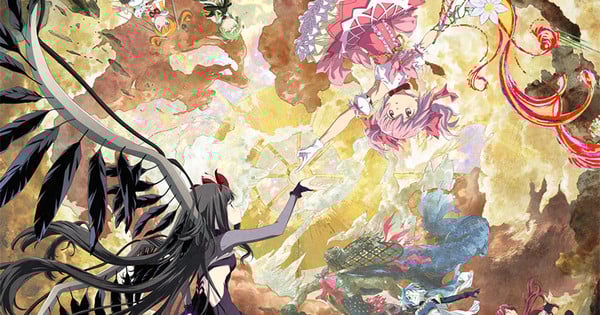
This latest postponement marks another chapter in what has become a frustratingly familiar pattern for Madoka Magica enthusiasts. The film was originally slated to premiere in winter 2024, only to be delayed to winter 2025 in August 2024. When the February 2026 date was announced, many fans hoped the production troubles were finally behind them. Unfortunately, SHAFT’s latest announcement has dashed those hopes, extending the wait for what promises to be the official sequel to 2013’s critically acclaimed Rebellion film.
A Franchise Worth Waiting For
For those unfamiliar with the series, Puella Magi Madoka Magica revolutionized the magical girl genre when it premiered in January 2011. Created by the Magica Quartet—a collaboration between director Akiyuki Shinbo, character designer Ume Aoki, screenwriter Gen Urobuchi, and producer Atsuhiro Iwakami—the series subverted expectations by presenting a dark, psychologically complex narrative that contrasted sharply with the typically lighthearted magical girl shows that came before it.
The original 12-episode series was followed by two compilation films in October 2012, Beginnings and Eternal, which retold the television series with updated animation and re-recorded dialogue. Then came Rebellion in October 2013, an entirely new story that continued beyond the series’ conclusion. The film was both critically acclaimed and commercially successful, earning nominations and awards while leaving audiences with a controversial yet compelling cliffhanger ending that has kept fans speculating for over a decade.
The Long Road to Walpurgisnacht Rising
The announcement of Walpurgisnacht: Rising came during the franchise’s 10th anniversary event in April 2021, sending shockwaves of excitement through the anime community. The film’s tagline, “Now, let’s continue the story,” promised to finally resolve the questions left hanging at the end of Rebellion. With the core creative team returning—including Shinbo as chief director, Urobuchi handling the script, Yukihiro Miyamoto directing, Junichiro Taniguchi on character design, Gekidan Inu Curry creating the surreal parallel world sequences, and Yuki Kajiura composing the music—expectations soared.
However, bringing this ambitious project to life has proven more challenging than anticipated. The film’s production journey has been marked by repeated delays, each pushing the release date further into the future. While SHAFT has been relatively tight-lipped about the specific issues plaguing production, the pattern suggests significant creative or technical challenges behind the scenes.
Industry-Wide Production Struggles
The delays affecting Walpurgisnacht: Rising are not occurring in a vacuum. The anime industry has been grappling with widespread production challenges in recent years, with labor shortages, excessive workloads, and tight deadlines becoming increasingly common problems. According to industry reports, Japan’s anime production market reached record revenue levels in 2024, but this growth has come at a cost. Studios are struggling to keep pace with global demand, leading to an unprecedented wave of delays and production issues across multiple high-profile projects.
Multiple anime series scheduled for fall 2025 faced sudden postponements, with at least seven productions announcing delays or schedule adjustments. The strain on the industry stems from various factors: a shortage of skilled animators, rising production costs, inadequate compensation for creators, and the challenge of maintaining quality while juggling multiple projects simultaneously. Some studios have even resorted to outsourcing work to overseas companies in the United States, South Korea, and Taiwan to meet deadlines.
SHAFT’s Commitment to Quality
SHAFT, the studio behind Madoka Magica, is known for its distinctive visual style and willingness to take creative risks. The studio’s approach to animation often involves complex, avant-garde sequences that require significant time and resources to execute properly. The parallel world sequences designed by Gekidan Inu Curry, in particular, are labor-intensive collage-style animations that have become a signature element of the franchise’s aesthetic.
While the repeated delays are undoubtedly frustrating for fans, they may ultimately reflect SHAFT’s commitment to delivering a product that meets the exceptionally high standards set by previous entries in the franchise. The studio’s official statement emphasized “production circumstances” without providing specific details, but the decision to delay rather than rush suggests a prioritization of quality over meeting arbitrary deadlines.
Fan Reactions: Frustration Mixed with Understanding
The announcement of the third delay has triggered mixed reactions across social media platforms. Some fans have expressed frustration and disappointment, particularly those who have been waiting since 2013 for a continuation of Rebellion‘s story. The timing of the delay—announced just weeks before the scheduled February 2026 opening—has been especially difficult for Japanese fans who may have already made travel arrangements to see the film on opening day.
However, many longtime fans of the franchise have responded with understanding and support. Having experienced the quality of previous Madoka Magica productions, these viewers argue that waiting for a polished, well-crafted film is preferable to receiving a rushed, subpar product. The franchise’s reputation for delivering emotionally resonant storytelling and stunning visuals has earned SHAFT a degree of goodwill that has helped cushion the blow of repeated delays.
Some fans have even found humor in the situation, joking that the delays have become as legendary as the franchise itself. Comparisons have been drawn to other notoriously delayed projects in entertainment, with social media users playfully speculating about whether the film will eventually release before certain other highly anticipated sequels and games.
What This Means for the Future
The promise that a new release date will be announced in February 2026 offers a glimmer of hope, though fans are understandably cautious about getting their hopes up too high. The fact that SHAFT is committing to announcing a date relatively soon suggests the production team has a clearer picture of their timeline than they did with previous delays. However, whether this new date will stick remains to be seen.
For international fans, the delay also pushes back any potential overseas releases. Aniplex of America, which has handled North American distribution for previous Madoka Magica films, will likely need to adjust their own release plans once a new Japanese opening date is confirmed. The global fanbase will need to exercise additional patience as localization and international distribution logistics are sorted out.
The Enduring Legacy of Madoka Magica
Despite the production setbacks, the Madoka Magica franchise remains one of the most influential anime properties of the 21st century. Its impact on the magical girl genre cannot be overstated—it inspired countless imitators and sparked renewed interest in darker, more mature takes on traditionally lighthearted genres. The series has spawned manga adaptations, spin-offs, a mobile game (Magia Record), novels, and a dedicated fanbase that has remained passionate despite the long wait for new content.
The original series is currently available on streaming platforms including Netflix, allowing new viewers to discover what makes this franchise so special while longtime fans can revisit the story that captured their imaginations. The Rebellion film, which serves as the direct predecessor to Walpurgisnacht: Rising, is also widely available and provides essential context for the upcoming sequel.
Looking Ahead
As fans await the new release date announcement promised for February, the Madoka Magica community finds itself in a familiar position: hoping for the best while preparing for the possibility of further delays. The production team’s apology to fans and affiliated companies demonstrates an awareness of the disappointment caused by these postponements, but also reinforces their commitment to delivering a film worthy of the franchise’s legacy.
Whether Walpurgisnacht: Rising finally reaches theaters later in 2026 or faces additional delays, one thing remains certain: when it does arrive, it will be one of the most scrutinized and discussed anime releases in recent memory. The weight of expectations is immense, but so is the talent of the creative team behind it. For now, fans can only wait, hope, and trust that the final product will justify the extended development time.
The journey to Walpurgisnacht: Rising has become almost as legendary as the franchise itself—a test of patience that mirrors the themes of hope and perseverance that define Madoka Magica at its core. When Madoka, Homura, and the other magical girls finally return to the big screen, it will mark not just the continuation of their story, but the culmination of years of anticipation from a dedicated fanbase that has proven willing to wait as long as it takes for their beloved franchise to receive the treatment it deserves.